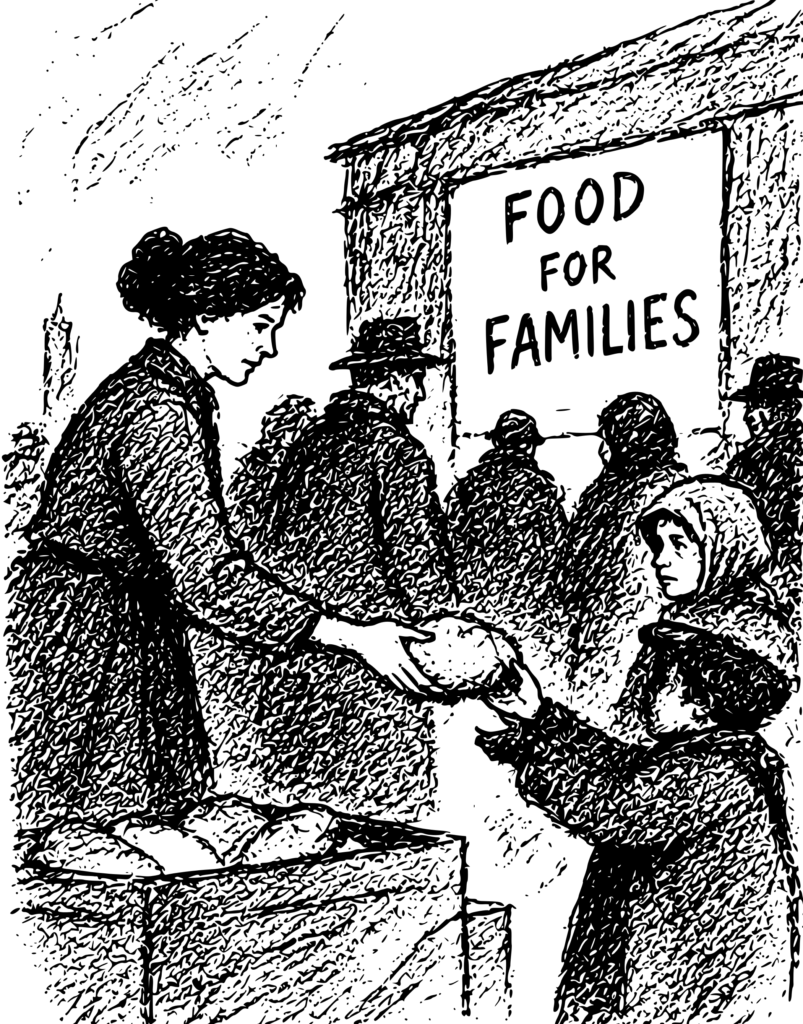
In 1931, as the Great Depression tightened its grip on America, families across the country were struggling to put food on their tables. Jobs were disappearing, businesses were closing, and savings that had taken years to accumulate were vanishing. For many families, even buying enough food to get through the week had become a challenge.
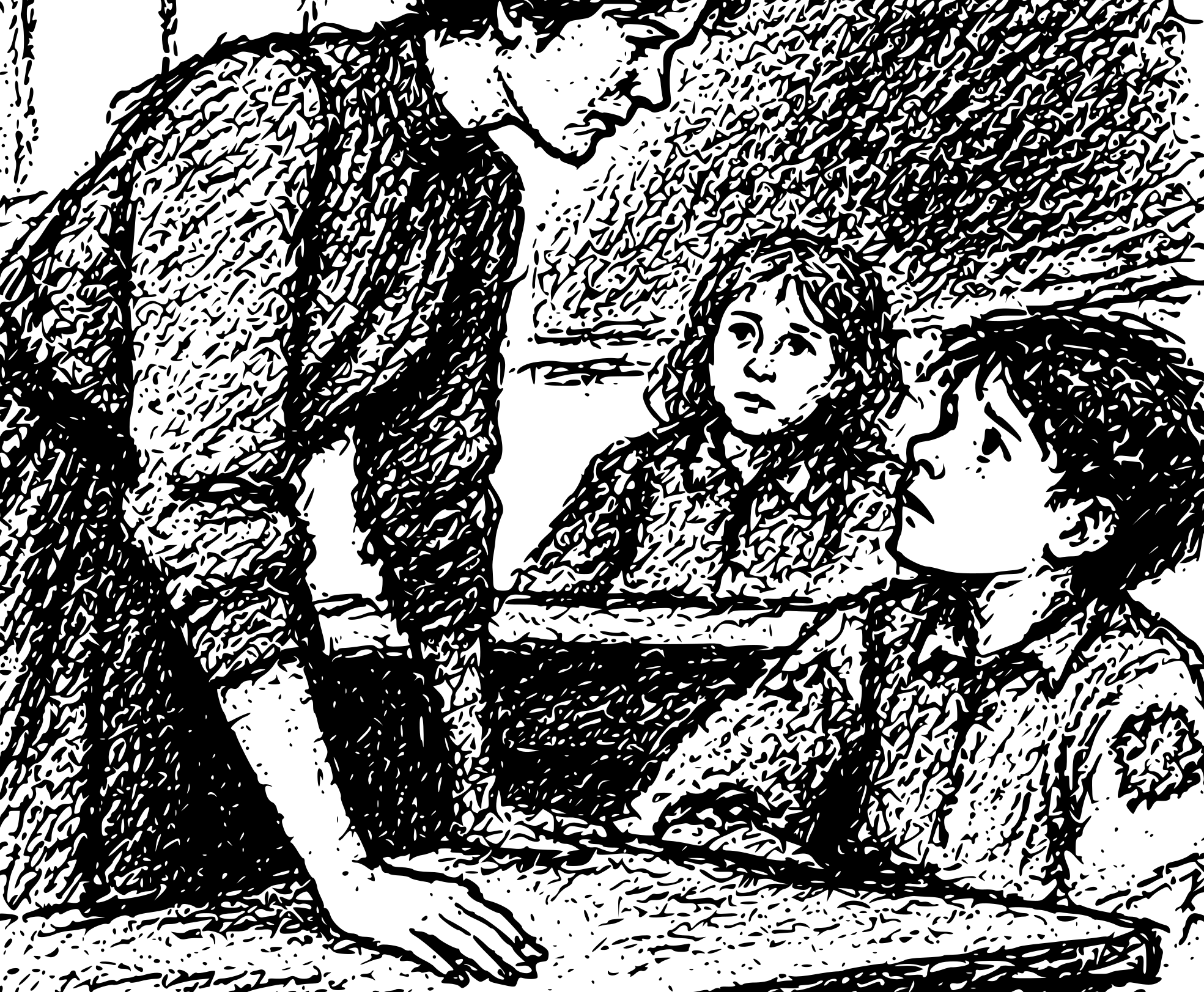
In the small Iowa town of Maquoketa, a schoolteacher named Minnie Hardin began noticing something troubling among the children in her classroom. Some of her students were arriving at school hungry. Their clothes and appearance told one story, but it was the empty stomachs and difficulty concentrating that revealed just how hard things had become at home.
Their parents weren’t neglecting them. Many were simply out of work or earning too little to provide everything their families needed. The Depression had reached nearly every corner of the community, and families who had once managed comfortably were now struggling to afford basic necessities.
At that time, schools generally did not have organized meal programs like those found in many communities today. Children who came to school without breakfast or lunch often had little choice but to go without. There were few resources available to help families facing such hardship, and the responsibility of finding food often fell on relatives, neighbors, churches, and local community groups.
Minnie could see that the problem was growing. Rather than accept that there was nothing to be done, she began organizing efforts to provide food for children and families who needed help.
She reached out to people in the community, encouraging them to contribute whatever they could. Some could donate food, while others could offer money or help with the work involved in getting meals to those who needed them. What began as an effort to help hungry schoolchildren gradually grew into a larger community response.
Finding enough food was not easy. The people Minnie approached were living through the same economic crisis. Farmers were struggling with falling prices, businesses were losing customers, and families were trying to stretch whatever money they had left. Even people who wanted to contribute had to consider what they could spare.
Still, the need among local families remained, and the effort continued.
Across Iowa and throughout the country, similar struggles were unfolding. Children were going hungry, parents were searching for work, and families were relying on whatever assistance they could find. The Great Depression would continue for years, leaving millions of Americans unemployed, homeless, and uncertain about where their next meal would come from.
Minnie Hardin’s efforts in Maquoketa were part of a much larger story of communities trying to survive those difficult years. While national attention focused on the collapsing economy, government relief programs, and the efforts of political leaders, local teachers, churches, volunteers, and neighbors were also finding ways to help families facing hunger.
For the children arriving at school with empty stomachs, those local efforts addressed a need that could not wait for the economy to recover.